Not every lighting effect is necessarily created by an effect light. That may sound strange, but it is true: mirrors, fine haze and even confetti can redirect, multiply or make existing light visible in the room. Combined correctly, they create effects that could not be achieved with a single fixture alone.
Contents
1. Summary
Devices without their own powerful light source can significantly change a lighting design. Reflective surfaces redirect beams, moving mirrors set reflections in motion, haze traces the path of a beam and floating particles create glittering moments of light. Creating atmospheric effects therefore depends not only on the choice of fixture, but also on the interaction between the light source, surface, medium and movement.
2. What are indirect lighting effects?
With a classic lighting effect, a fixture itself creates color, movement or a pattern. Indirect lighting effects work differently: the device or material used works with light that is already present. It reflects, scatters, interrupts or moves the beam. Without a fixture, the effect remains largely invisible. It is only the combination that creates the actual image.
This principle is by no means new; mirror balls have been using it for decades. Modern devices, however, use it in a more controllable and versatile way. Reflective elements can now be moved precisely, integrated into a show via DMX or combined with changing beam positions.
3. The mirror becomes a moving head
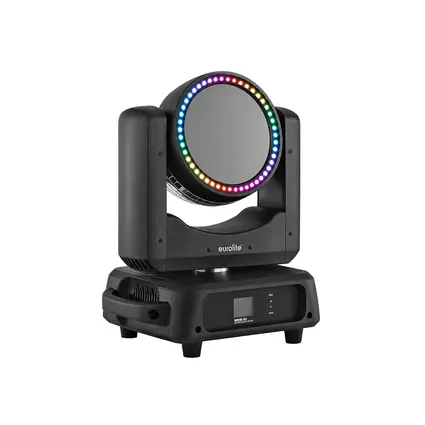
One example of the modern use of such reflective surfaces is the EUROLITE MDM-50 Moving Double Mirror. Its head features a rotating mirrored hemisphere on one side and a flat mirror on the other. The device itself does not have a powerful light source for producing a strong beam. Instead, it is illuminated by a pinspot or beam moving head.
The mirrored hemisphere splits the incoming beam into numerous moving points of light. The speed and direction of the endless rotation can be adjusted. The flat mirror directs a single beam precisely into the room. With 540 degrees of pan and 360 degrees of tilt, this reflection can be moved like the beam of a moving head. The result becomes particularly visible when combined with light haze.
The head can also rotate continuously. As a result, the broad reflections of the mirrored hemisphere and the concentrated reflection of the flat mirror alternate continuously. An RGB LED ring with 50 LEDs and 25 individually controllable segments adds additional color accents. However, it is an addition rather than the main effect. The characteristic spatial effect is created through interaction with an external light source.
For programming, this opens up an additional layer: the illuminating fixture determines the color, brightness and beam shape. The MDM-50 influences direction, movement and distribution. Slow movements create calm lighting scenes for galas or lounges. Fast changes, narrow beams and short blackouts are suitable for dynamic show moments.
4. Mirror balls, mirror cylinders and mirror mats
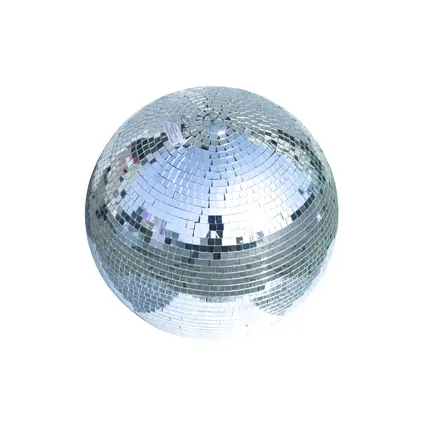
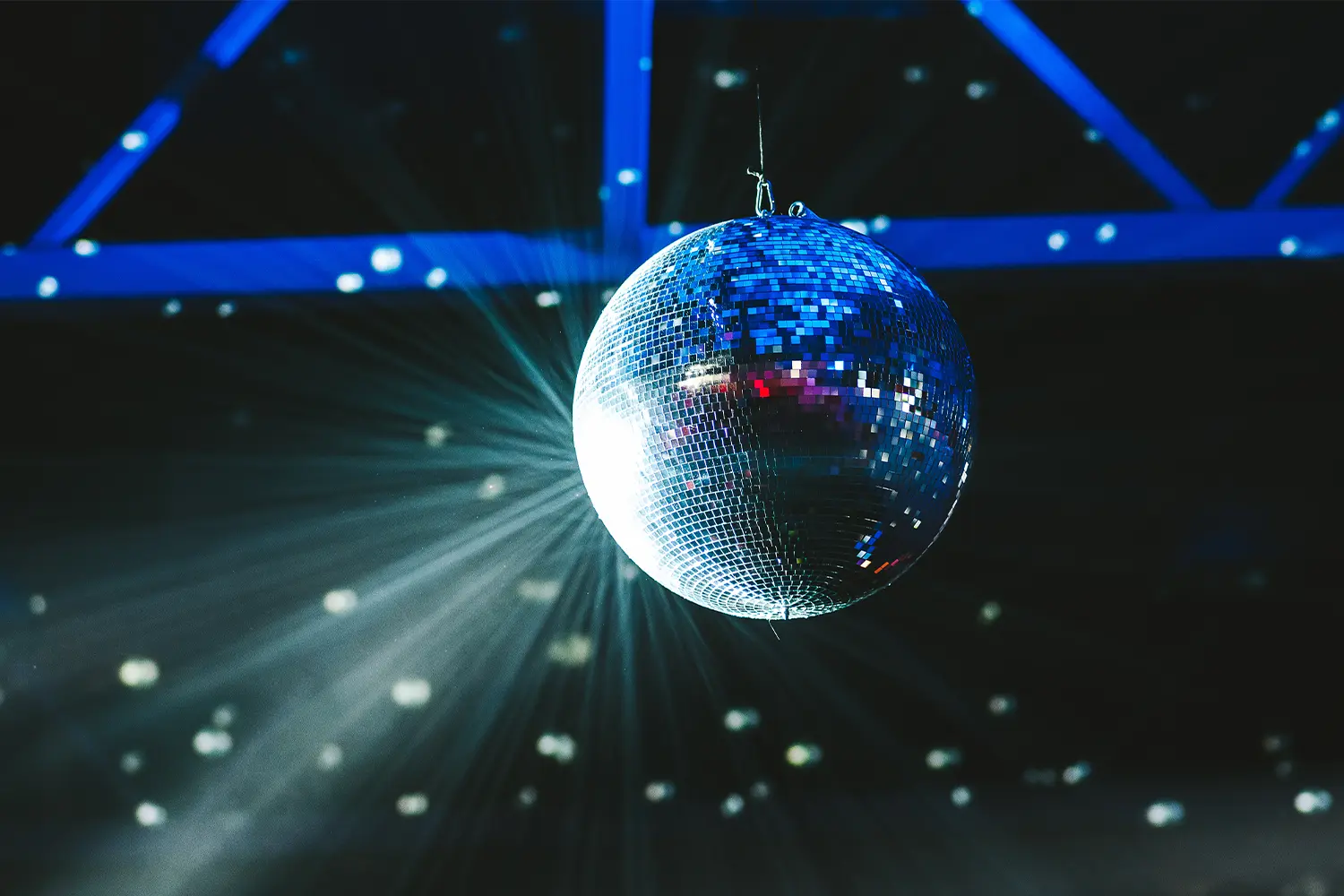
Classic mirror elements also only come to life through the light that hits them. A mirror ball breaks up a concentrated beam into a spatial pattern of light points through its many small facets. A slowly rotating motor keeps this pattern in motion.
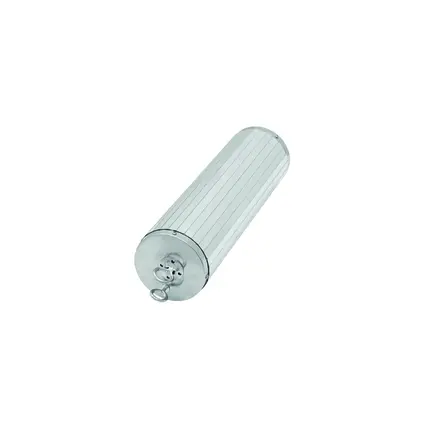
Mirror cylinders change the geometry of the effect. Their facets are arranged on a long, narrow shape. As they rotate, the reflections move through the room differently than those of a sphere. This can be particularly interesting in low or narrow spaces.
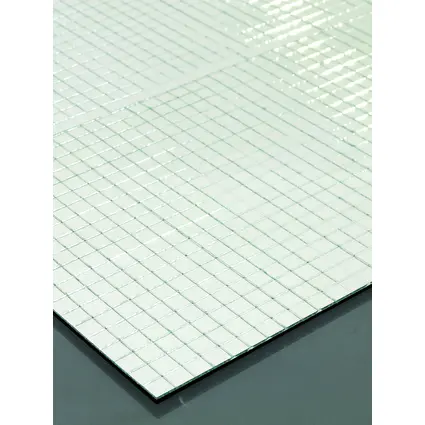
Mirror mats bring the principle to walls, columns or curved surfaces. The real-glass facets are mounted on a flexible backing material. Depending on the shape of the surface, this does not create a clearly recognizable mirror ball but rather a reflective architectural surface. Narrow beams create sharp points of light. Wider light sources produce a calmer sparkle.
5. Haze draws light into the air
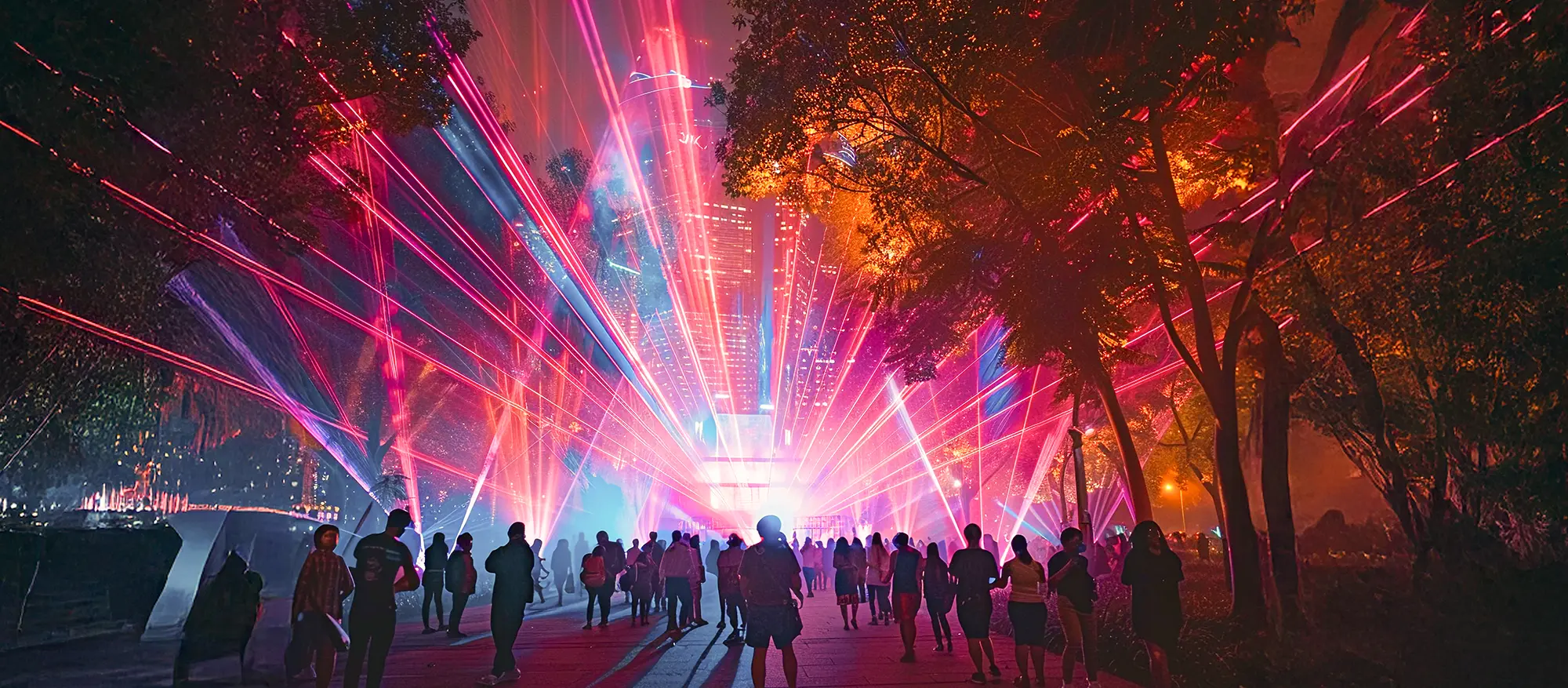
In clean air, a beam is primarily visible where it hits a surface. Fine suspended particles change this. They scatter part of the light toward the audience, making the path of the beam visible. A fazer therefore does not create a lighting effect in the strict sense, but it can turn a barely visible beam of light into a clearly recognizable spatial shape.
6. Confetti as a moving reflective surface
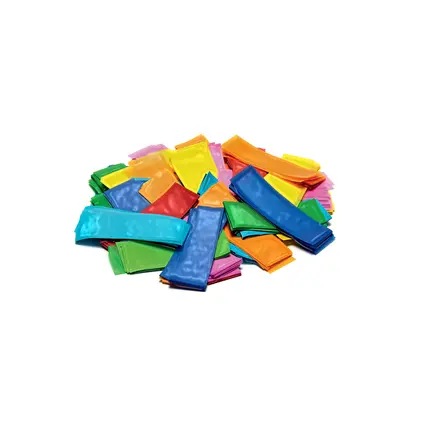
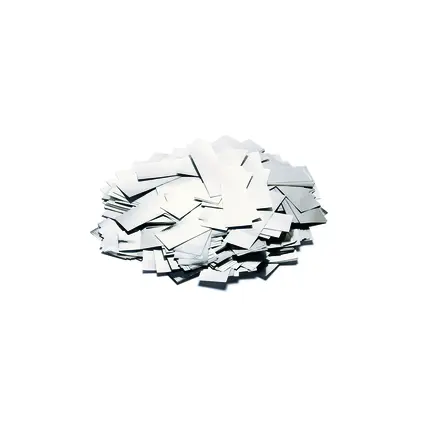
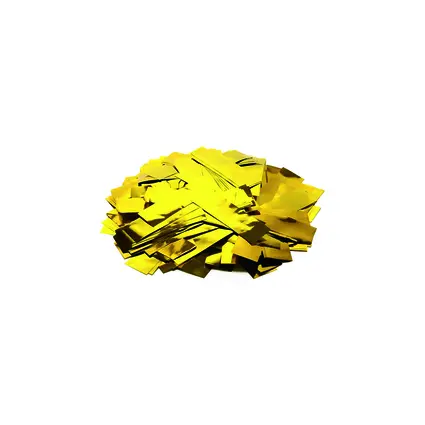
Confetti is primarily a stage effect. Under light, however, it also becomes a multitude of short-lived reflectors. Metallic varieties in particular repeatedly reflect bright flashes of light as they fall. UV-active material can appear to glow by itself under UV light. The decisive factors are the material, falling speed and direction of illumination.
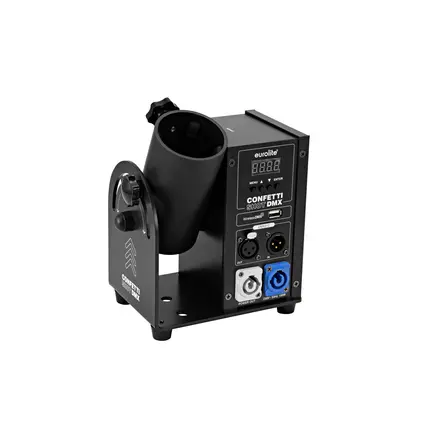
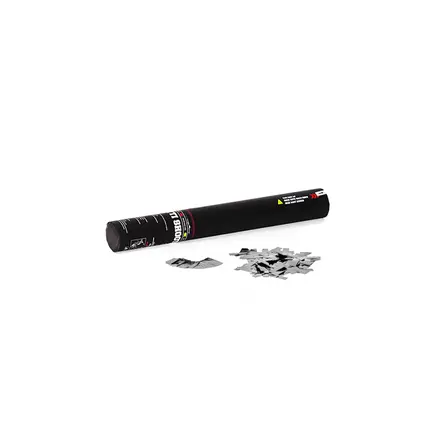
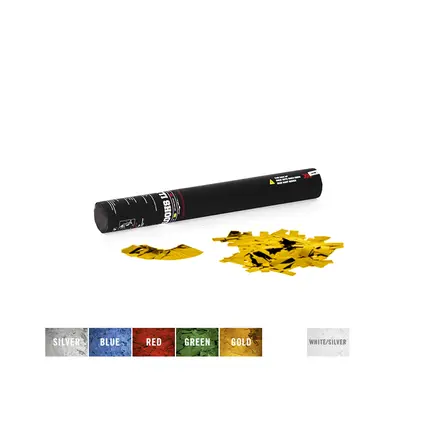
The EUROLITE Confetti Shot DMX fires electric confetti or streamer loads with a length of 50 or 80 centimeters. The firing angle is continuously adjustable and triggering can be controlled via DMX. When the shot is synchronized with backlight, side beams or a brief strobe accent, the material becomes a clearly visible moment of light.
7. Products with retro flair from EUROLITE
For an accessory to become a convincing lighting effect, four factors must work together:
- • Light source: Narrow beams create clear reflections, while wide wash lights produce a more expansive sparkle.
- • Surface or medium: Mirrors provide directed reflections, haze scatters light and particles create changing points of light.
- • Movement: Rotation, pan and tilt or the natural fall of a material determine speed and dynamics.
- • Environment: Dark surfaces increase contrast. Light-colored walls, existing ambient light and room size significantly change the effect.
A test in the final installation situation is therefore particularly important. Even small changes to the angle of illumination can determine whether a mirror effect reaches the desired area or passes by the audience and stage.
8. Conclusion
Unusual lighting scenes do not necessarily require another fixture. Often, the more exciting idea emerges where existing light is redirected, made visible or broken up by moving material. The MDM-50 takes this principle particularly far by combining the flexibility of a moving head with two different mirror surfaces. Mirror materials, haze and confetti also demonstrate how versatile the same basic idea can be. The focus is not on the individual device, but on precisely planned interaction.