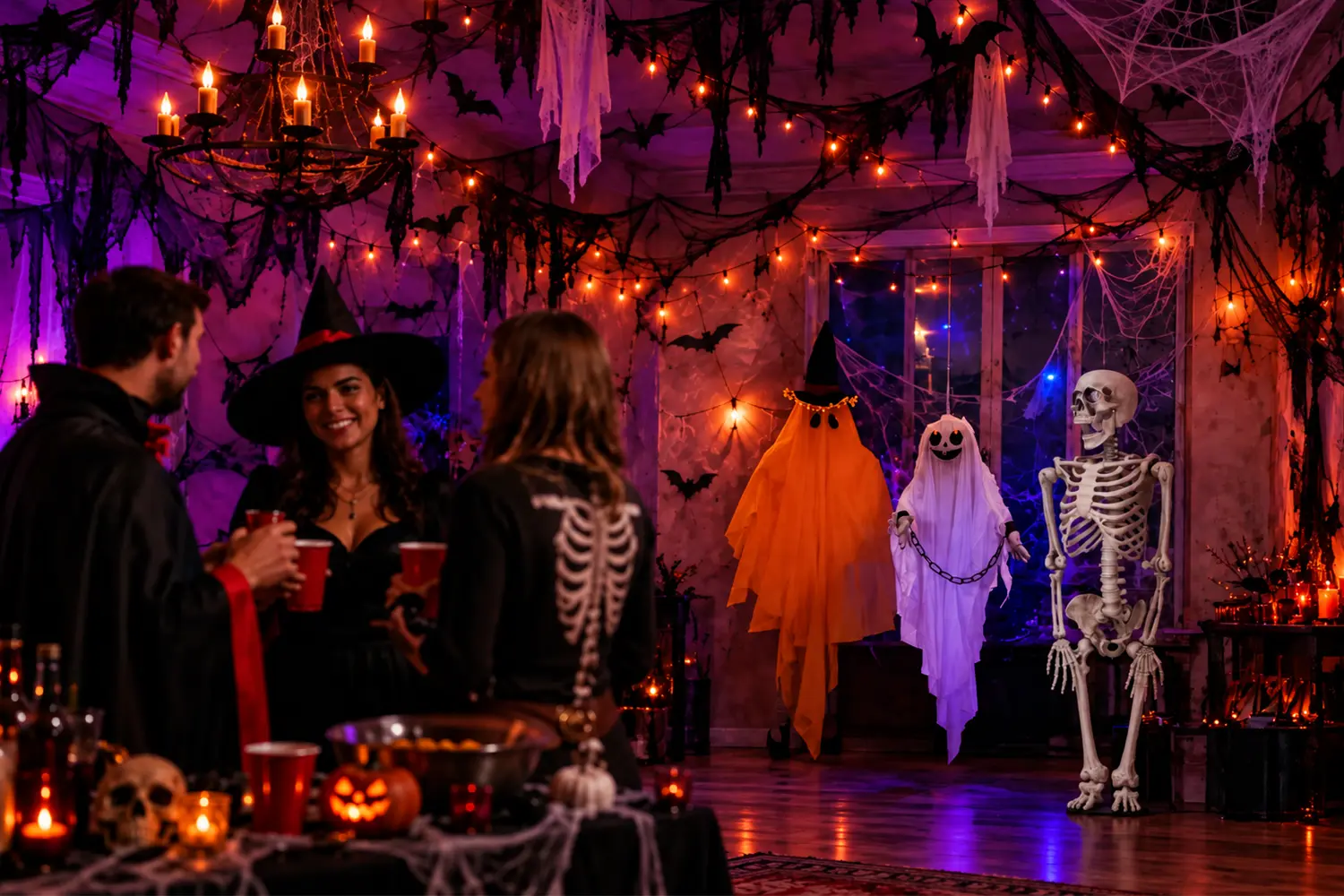
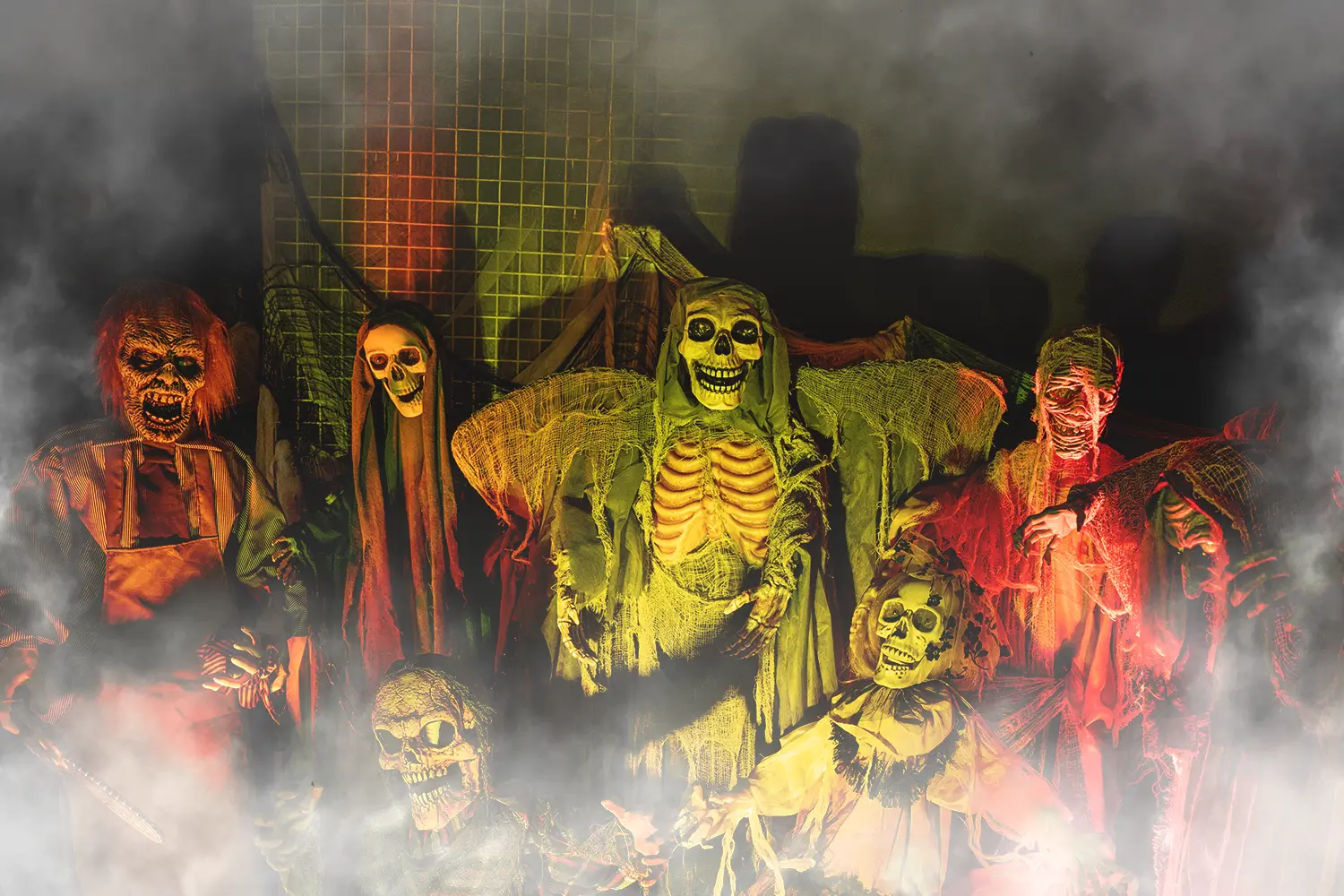
The creepy figure is in place, cobwebs stretch across the scene and somewhere, a skeleton is watching the guests. Everything is ready for Halloween. Or so it seems. With the overhead lights on, even the eeriest decor suddenly looks surprisingly harmless.
So, turn off the lights. A carefully placed light shining from below, a splash of color, perhaps a touch of fog and the same room feels completely transformed. Outlines shift, shadows grow longer and a decorative display becomes an atmospheric scene.
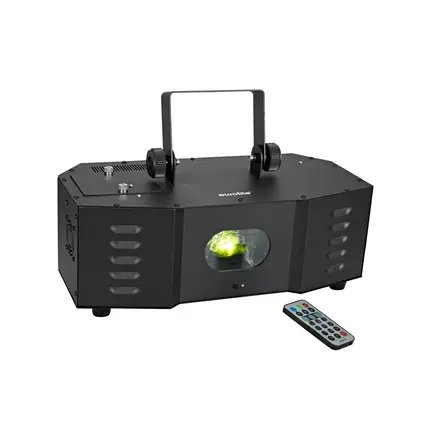
That is exactly what Part 2 of our three-part Halloween series is all about. In Part 1, figures and decorations provided the scares. Now, it is time to set the scene. And you do not necessarily need an elaborate lighting setup to do it. Often, a single lighting accent in the right place is all it takes.
Contents
- 1. Why Lighting Makes Such a Difference on Halloween
- 2. Small Changes, Big Impact: Halloween Lighting with Minimal Effort
- 3. Red, Green, UV or Amber: What Color Lighting Works Best for Halloween?
- 4. Do Not Be Afraid of Shadows: They Are All Part of the Scare
- 5. When Light Suddenly Becomes Visible: How Fog Transforms a Halloween Scene
- 6. Five Things That Can Make Your Halloween Lighting Fall Flat
- 7. Lights Out, Frights On!
1. Why Lighting Makes Such a Difference on Halloween
On Halloween, lighting gets to do a few things you would normally try to avoid: It can be uneven. It can cast harsh shadows. Some areas can even disappear into complete darkness. After all, even lighting makes everything easy to see, but it does little to build suspense. Picture a ghost figure in a brightly lit room. Its face, clothing and hands are all immediately visible. There is nothing left to discover. Now, give that same figure just a little light from below. One side of its face disappears into shadow, the area around its eyes suddenly looks different and a large shadow takes shape on the wall behind it.
Good Halloween lighting is not about using as much light as possible. What matters is where the light falls and what you deliberately leave in the dark.
Why Does Lighting from Below Look So Creepy?
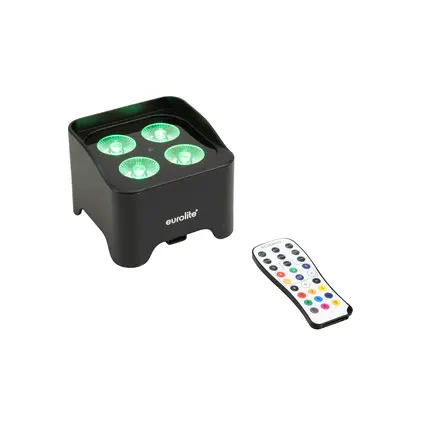
The reason lies in how we perceive things. In everyday life, light usually falls on faces and objects from above, either directly or at an angle. We are used to the contours and shadows this creates. When the light suddenly comes from below, that familiar image changes. Shadows around the eyes, nose, mouth and wrinkles appear in unexpected places. Even a familiar face can seem strange and unsettling. You can put this effect to use on Halloween with surprisingly little effort. A compact spotlight on the floor, aimed up at a witch, ghost or another figure, may be all it takes. There is no need for complex programming or a full lighting rig.
It is worth experimenting, too: Light the same figure from the front, from the side and then from below. Even a slight change in position can make a surprisingly big difference.
2. Small Changes, Big Impact: Halloween Lighting with Minimal Effort
Lighting your Halloween decor does not mean you have to transform the entire room. It is often far more effective to start by choosing one or two areas you want to draw attention to.
For example, lighting a creepy figure at the entrance from below can give your guests a fitting “welcome” as they walk in. A skull on a shelf might need only a narrow beam of light. A bare wall behind a skeleton suddenly becomes interesting when its shadow appears on it. With just a few light sources, you can create small pools of light around the room. The spaces in between can stay dark. To create a Halloween atmosphere with minimal effort, start by asking yourself one simple question:
What should my guests see first, and what might be better left for a second glance?
The answer usually gives you a pretty clear idea of where you need light.
3. Red, Green, UV or Amber: What Color Lighting Works Best for Halloween?
It is no surprise that red works well for Halloween. However, does that mean the whole room has to look like someone spilled a bucket of red paint? Luckily, no. Colors can tell very different stories. So rather than starting with your favorite color, think about the mood you actually want to create.
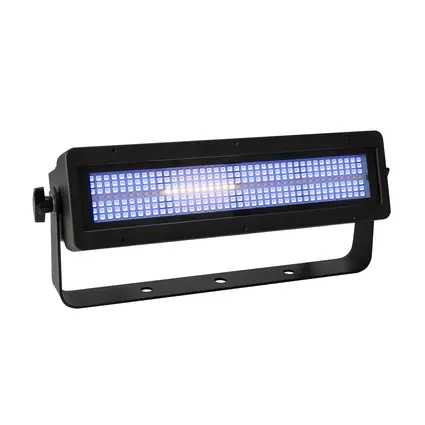
A figure at the end of a dark hallway instantly looks more menacing in red light. Red is intense and dramatic, making it particularly effective for horror scenes or a few bold accents. A witch’s kitchen, on the other hand, calls for something a little more unnatural. Shine green light on bottles, a cauldron or mysterious ingredients, and the brew suddenly looks a little less like herbal tea and a lot more like something you really should not taste.UV light opens up a whole new set of possibilities. Fluorescent materials and certain light-colored surfaces glow brightly, while the rest of the room can remain relatively dark. Cobwebs, ghosts, UV-reactive makeup and suitable decorations can appear to emerge from the darkness. And not every Halloween scene needs bold, vivid colors. An old graveyard, pumpkins, a weathered wooden door or a scene meant to evoke candlelight or firelight can feel much more atmospheric in warm amber light. Flickering lighting effects can reinforce that impression.
Of course, you can combine colors. However, here as well, two carefully chosen lighting schemes can be more intriguing than five colors competing for attention at once. Thus, the key question is not:
What is the best color for Halloween? Instead, it is:
What story should the scene tell?
4. Do Not Be Afraid of Shadows: They Are All Part of the Scare
Where there is light, there is shadow. On Halloween, you should not be too quick to get rid of it. After all, a shadow can make even a small prop seem much bigger.
Take a skeleton standing a short distance from a wall. Light it evenly from the front and you see, well, a skeleton. However, shine a light on it from low down and to the side and a long, distorted shadow appears behind it. Suddenly, the figure takes up much more of the scene, even though nothing about the decoration itself has changed. The same principle applies to faces and surfaces. Side lighting brings out textures. Wrinkles look deeper, contours become more defined and parts of a figure disappear into darkness. Those dark areas are important. Anything that is fully lit is easy to recognize at a glance. Something you can only partly make out, on the other hand, leaves room for your imagination. On Halloween, that can play some pretty unsettling tricks on you.
Thus, it is worth paying attention not just to where the light falls, but also to the shadows it creates.
5. When Light Suddenly Becomes Visible: How Fog Transforms a Halloween Scene
At large-scale stage shows, fog is mainly used to make light beams and effects visible in the air. On Halloween, it takes on a second role: It becomes part of the scene itself. Imagine a small graveyard: tombstones, skeletons and bones, cobwebs, a figure that seems to be rising from the ground and somewhere among them, a gravedigger waiting between the graves for his next “customers.” As fog drifts low across the ground and between the tombstones, the scene changes. Outlines blur, figures emerge only partly from the mist and a collection of decorations suddenly becomes a cohesive scene.
Fog Does Not Always Have to Appear Where You Expect It
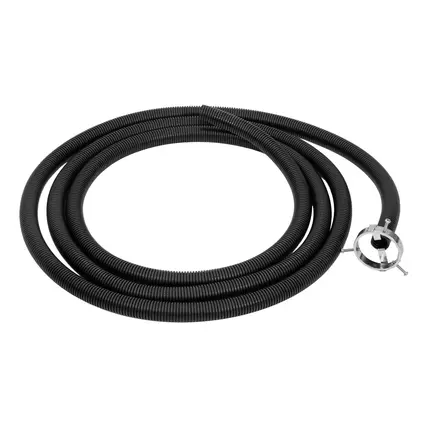
Things get even more exciting when you incorporate fog directly into the decor. With suitably equipped figures, for example, a special hose can channel fog from a fog machine to exactly where you want it to emerge. Fog can billow straight from a figure’s mouth, turning a static decoration into something you might prefer to keep your distance from. A witch’s cauldron spilling over with fog or an opening from which mist slowly spreads across the ground can also become the focal point of an entire scene.
The key difference: The fog does not simply fill the room. It plays a role in the story.
Whether you are lighting a single figure or an entire Halloween venue, the principle stays the same. Every light source should have a purpose. What should catch the eye right away? Where can you introduce movement? Which areas should deliberately remain dark? Planning this way is not about using as much equipment as possible. It is about putting light where it makes a real difference.
6. Five Things That Can Make Your Halloween Lighting Fall Flat
Sometimes, the easiest way to create a better Halloween atmosphere is not to add more, but to leave something out.
- 1. The Room Is Too Bright
When every corner is clearly visible, much of the suspense disappears. Instead, highlight selected areas and deliberately leave others in the dark. - 2. Everything Is the Same Color
A room bathed entirely in red or green light may look impressive at first, but it quickly loses its sense of depth. Carefully placed accents in different colors make individual scenes more interesting. - 3. Every Effect Tries to Steal the Show at Once
Flickering lights, color changes, moving beams, UV light and fog can all be exciting in their own right. However, when everything happens everywhere at once, it gets hard to know where to look. Give one effect the starring role and use the others to support it. - 4. The Decor Is Just Lit Up
Shining a light directly at the front of a figure makes it easy to see, but it does not automatically make it creepy. Lighting from below or from the side, combined with deliberately cast shadows, can have a much greater impact. - 5. More Fog Must Be Better
A little fog can make light visible and add depth to a scene. Too much fog eventually makes one thing stand out above all else: fog.
7. Lights Out, Frights On!
Effective Halloween lighting does not start with the question of how many lighting fixtures or effects you have available. It starts with this: What do you want to happen here? Often, it takes surprisingly little. A carefully placed lighting accent transforms a figure, color sets the mood, shadows build suspense, and fog can turn individual decorations into a complete scene. That should mean you are all set for Halloween. Except for one small detail:
Not everyone starts thinking about it weeks in advance. Sometimes, October 31 approaches at a frightening pace, you find yourself planning a Halloween party after all, and so far, your decor consists mostly of good intentions. But there is no need to panic. In the third and final part of our Halloween series, we will tackle exactly that: Halloween for Last-Minute Planners. We will share last-minute ideas for anyone who is short on time but still wants their space to look the part.